
Conditions We Treat
A standardised assessment exploring how a child understands information, solves problems, remembers information and processes different types of tasks.
Book a Session
30 min consultation
You'll receive a confirmation by email.
When a Cognitive Assessment May Be Considered
A cognitive assessment may be considered when parents, caregivers or teachers would like a clearer understanding of how a child learns and processes information. It may be helpful where there are:
A cognitive assessment should be interpreted alongside the child's development, educational experience and everyday functioning.
What the Assessment Explores

How the child understands, uses and reasons with spoken information.

How the child interprets visual information and solves new, unfamiliar problems.

How the child holds and works with information in the moment.

How quickly and accurately the child completes simple visual tasks.

How the child's abilities combine to form a broader picture of their thinking.
The Assessment Process
The psychologist meets the family to discuss the assessment goals, developmental history, and educational concerns.

Relevant school feedback, previous reports and information from parents or caregivers may be reviewed with appropriate consent.
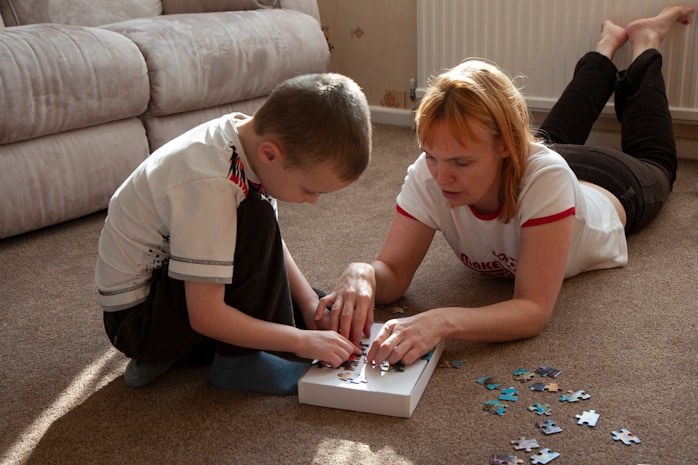
The child completes a series of age-appropriate activities with a psychologist using a recognised standardised assessment tool.


The psychologist considers the scores, patterns across different areas and observations from the assessment rather than relying only on one overall result.
The findings are explained to the family, alongside practical recommendations and suitable next steps.

The process may vary according to the child's age, communication needs and individual presentation.

Currently Reading
PsychologyAdministering and interpreting standardised cognitive tools.
The Team
Cognitive assessments are usually completed by a psychologist trained to administer and interpret the relevant standardised tools. The assessment will be interpreted within the context of the child's overall presentation.
Where specific factors may affect a child's performance, input from other members of the multidisciplinary team may be considered. This includes assessing:
Following the Assessment
The family will receive an explanation of the child's cognitive profile and what the findings may mean for their learning and everyday functioning. Where appropriate, this includes a written report.
Written for families first, professionals second.

Our Philosophy
The team will explain any additional preparation required before the assessment begins.
Families may be asked to provide relevant developmental or medical information before the appointment.
Please provide any previous reports and direct school feedback to help us understand your child's background.
Children should attend the assessment well-rested to ensure they can engage comfortably and perform to their best.
Please make sure to bring any prescribed visual or hearing aids that your child normally uses.

Let's Connect
Speak with our team about your concerns and whether a cognitive assessment may be an appropriate next step for your child.