
Conditions We Treat
An integrated assessment exploring characteristics associated with both autism and ADHD and how they may affect a child's development and everyday life.
Book a Session
30 min consultation
You'll receive a confirmation by email.
When a Combined Assessment May Be Considered
Autism and ADHD are separate neurodevelopmental conditions, but some children and young people present with characteristics associated with both. A combined assessment may be considered when parents, caregivers or teachers notice:
Individual signs do not confirm autism or ADHD. A combined assessment helps consider the child's overall profile rather than exploring each area in isolation.
What the Assessment Explores

How the child communicates, connects with others and responds to social information.

How the child's interests, routines and behaviours shape their day-to-day experiences.

How the child pauses, waits and manages their responses in the moment.

How the child plans, organises and follows through with everyday tasks.

How the child responds to sounds, textures, light and other everyday sensory information.

How the child manages routines, relationships and responsibilities day to day.
The Assessment Process
The clinician meets with the family to discuss current concerns, developmental history and any previous assessments or support.


With appropriate consent, information may be gathered from parents, caregivers, teachers and other professionals who know the child.
The child engages in age-appropriate interviews, observations, and activities, using specific autism or ADHD tools when needed.
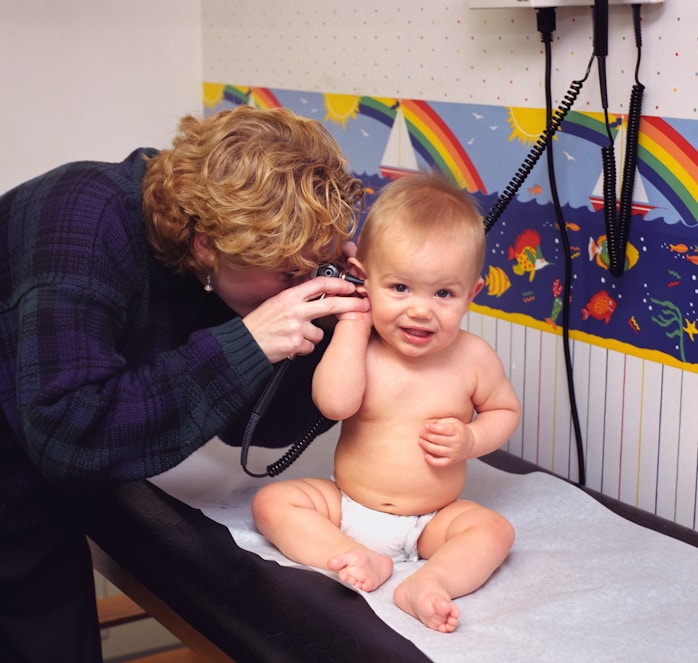

Relevant clinicians review the information together to consider both autism and ADHD, as well as any other needs that may contribute to the child's presentation.
The findings are discussed with the child and family, alongside recommendations and appropriate next steps.
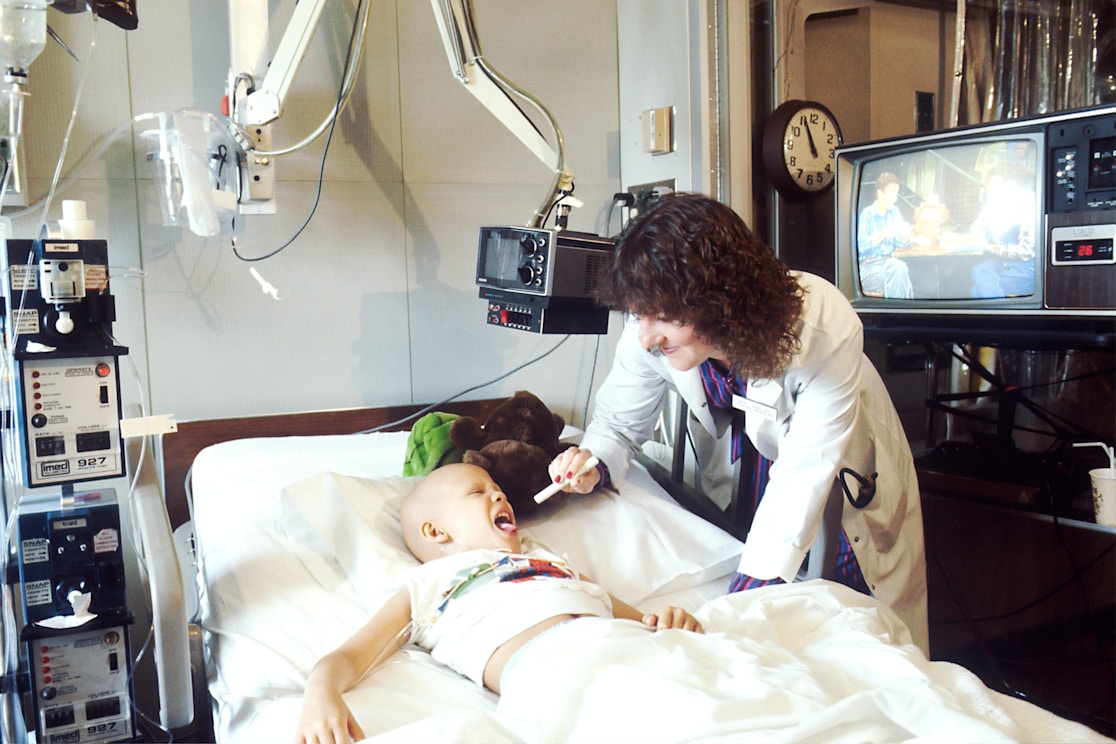
The process may vary according to the child's age, communication needs and individual presentation.

Currently Reading
PsychologyExploring emotional, learning, and developmental needs.
The Team
The professionals involved will depend on the child's individual profile and the areas being explored. Choose a discipline to see its role.
A combined autism and ADHD assessment involves multiple disciplines to build a complete picture. Additional input is gathered to identify and support:
Following the Assessment
Following the assessment, the family will receive a clear explanation of the findings and recommendations. Where appropriate, this will include a written report.
Written for families first, professionals second.

Our Philosophy
The team will explain what information is required and how to prepare the child before the assessment begins.
Families may be asked to provide relevant developmental, medical, and educational information before the appointment.
This information could include previous assessments, medical reports, or direct school feedback.
You may need to provide completed questionnaires or detailed information about any existing support your child receives.
We will guide you on how to talk to your child about the day. There is nothing to rehearse or practice beforehand.

Let's Connect
Speak with our team about your concerns and whether a combined assessment may be an appropriate next step for your child.