
Conditions We Treat
Multidisciplinary assessment and personalised support for children and young people with differences in communication, social interaction, behaviour or sensory processing.
Book a Session
30 min consultation
You'll receive a confirmation by email.
Understanding Autism
Autism spectrum disorder, also known as autism or ASD, is a neurodevelopmental condition that can influence how a child communicates, interacts with others, processes sensory information and experiences the world.
A child may communicate or connect with others differently, find social cues difficult to interpret or prefer particular ways of interacting.
A child may have focused interests, repeat particular movements or actions, or feel more comfortable with structure and familiar routines.
A child may be more or less sensitive to sounds, lights, textures, smells or movement and may seek or avoid particular sensory experiences.
Each autistic child has their own combination of strengths, preferences and areas where additional support may be helpful.
Possible Signs of Autism
Individual signs do not confirm autism and may also be associated with other developmental or communication needs.
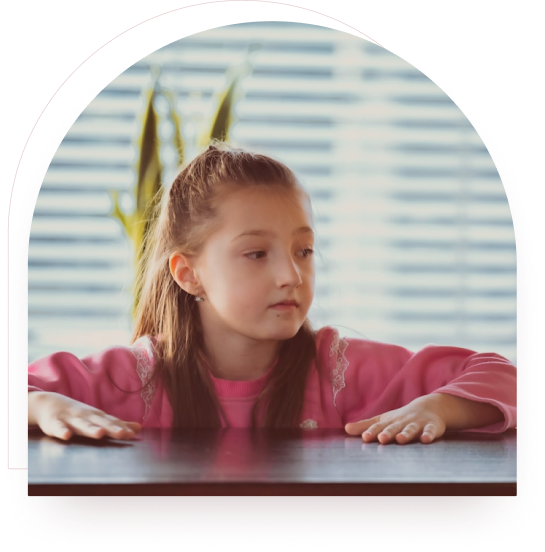
Autism Across Everyday Life
Autistic children and young people may experience challenges when navigating unstructured social situations, managing changes or participating in group activities. Communication differences can also affect how they express their needs, understand expectations or build relationships.
Sensory input within classrooms, public spaces or everyday routines may sometimes feel overwhelming. The level and type of support required will vary, and some children may need support only within particular environments.

Our Approach
Support is developed around the child's strengths, communication preferences, sensory experiences and everyday needs.
Depending on the child, care may involve psychology, occupational therapy, speech and language therapy, parent guidance, school recommendations or psychiatric input. Our approach is strengths-based and neurodiversity-affirming, with a focus on wellbeing, communication, participation and independence.
Book a Consultation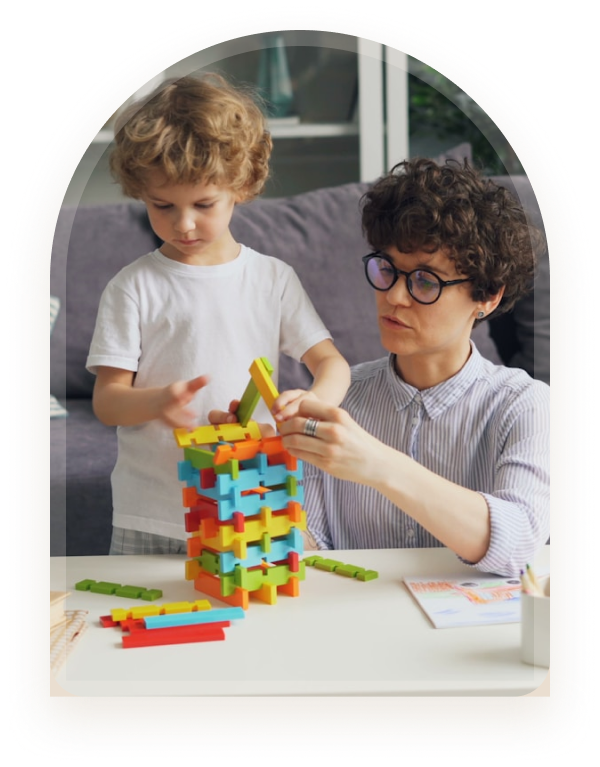
How We Support
Following assessment, recommendations are developed around the child's strengths, needs, preferences and everyday environment.
Support may involve psychology, speech and language therapy, social communication support, occupational therapy, sensory and emotional regulation strategies, parent guidance or school recommendations.
The approach is strengths-based and neurodiversity-affirming, with a focus on wellbeing, communication, participation and independence. Support should not attempt to remove harmless differences or require a child to hide their autistic identity.
The Clinical Pathway
Every family receives a clear and structured journey, from the first referral through to personalised intervention and ongoing progress reviews.
A family, GP or school gets in touch. We listen carefully and gently open the door to support.
Let's Connect
If you have questions about your child's communication, interaction, development or sensory experiences, our team can help you understand the available assessment and support pathways.


