
Conditions We Treat
Personalised multidisciplinary support for children and young people experiencing persistent patterns of behaviour that affect relationships, education or everyday family life.
Book a Session
30 min consultation
You'll receive a confirmation by email.
Understanding Behavioural Disorders
Behavioural disorders involve persistent patterns of behaviour that are more frequent or intense than expected for a child's age and begin to affect everyday functioning.
A child may find frustration, disappointment or strong emotions difficult to manage.
They may struggle to pause before acting, follow boundaries or respond appropriately to particular situations.
Behaviour may affect family relationships, friendships, learning or participation within school and the community.
Behaviour can have several possible causes. Difficulties relating to communication, sensory processing, emotional wellbeing, trauma or neurodevelopmental needs may contribute and should be considered carefully.
Possible Signs
Individual signs do not confirm a behavioural disorder. An appropriate clinical understanding is needed before drawing conclusions about the child's needs.
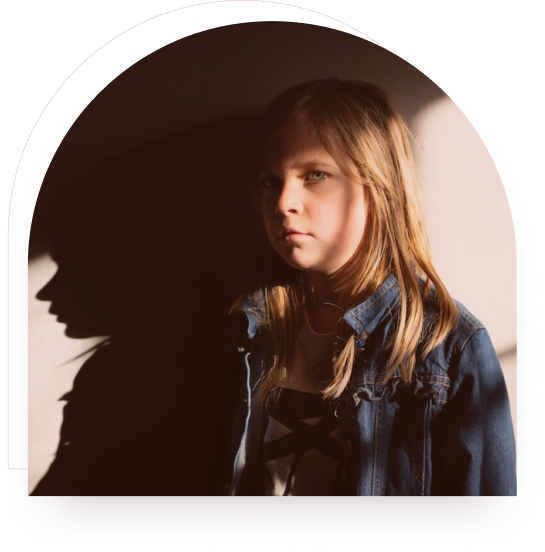
Behaviour Across Everyday Life
Persistent behavioural difficulties can affect family routines, peer relationships, school participation and the child's emotional wellbeing.
A child may experience frequent conflict, difficulty remaining engaged in learning or increased disciplinary action at school. Repeated negative experiences can also affect confidence and how the child views themselves. Understanding what happens before, during and after a behaviour can help identify the child's needs and the factors influencing their response.

Our Approach
Hiba by Anthalora takes a multidisciplinary approach to understanding behaviour within the context of the whole child.
Support may involve psychology, psychiatry, occupational therapy, speech and language therapy, mental health nursing or therapeutically informed education. Care may focus on emotional regulation, communication, positive behaviour planning, parent guidance and practical strategies for home and school.
Where communication, sensory, developmental, trauma-related or mental health needs may be contributing, the appropriate specialists can work together to develop coordinated recommendations.
Book a ConsultationThe Clinical Pathway
Every family receives a clear and structured journey, from the first referral through to personalised intervention and ongoing progress reviews.
A family, GP or school gets in touch. We listen carefully and gently open the door to support.

Let's Connect
If persistent behavioural difficulties are affecting your child's wellbeing, relationships or everyday life, speak with our team about the care and support options available.


