
Conditions We Treat
Multidisciplinary assessment and personalised support for children and young people experiencing difficulties with learning, reasoning and everyday adaptive skills.
Book a Session
30 min consultation
You'll receive a confirmation by email.
Understanding Intellectual Disability
Intellectual disability is a developmental condition involving significant difficulties with intellectual functioning and the adaptive skills used in everyday life. These needs begin during the developmental period.
This may include reasoning, learning, problem-solving, planning and understanding new information.
This includes the practical, social and communication skills needed to participate in everyday life.
Every child has a different profile of strengths and needs. The level of support required cannot be determined by an IQ score alone.
An appropriate assessment considers how the child functions across home, school and community settings.
Possible Signs
Individual signs do not confirm an intellectual disability and may have other developmental, educational or medical explanations.
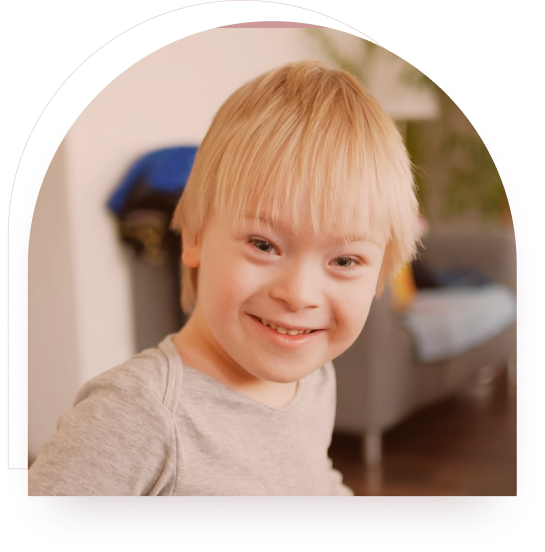
Everyday Learning and Independence
Intellectual disability may affect how a child learns, communicates, develops relationships and manages everyday responsibilities.
Some children may need additional time and support to understand new information, complete daily routines or transfer skills between different environments. Others may require ongoing assistance with communication, safety, personal care or decision-making. Assessment focuses on both the child's strengths and the practical support that may help them participate more fully in everyday life.

Our Approach
Support is developed around the child's abilities, communication, learning needs and level of everyday independence.
Care may involve psychology, speech and language therapy, occupational therapy, mental health nursing or educational input. Families and schools may also receive practical guidance to support learning, relationships, daily living skills and participation across different environments.
Book a Consultation
How We Support
Following assessment, recommendations are developed around the child's abilities, needs, environment and level of independence.
Support may focus on communication, learning, social understanding, emotional wellbeing, daily living skills and participation at home or school. Families and education professionals may also receive practical guidance to support consistency across different environments.
The type and level of support will vary and should be reviewed as the child develops.
The Clinical Pathway
Every family receives a clear and structured journey, from the first referral through to personalised intervention and ongoing progress reviews.
A family, GP or school gets in touch. We listen carefully and gently open the door to support.

Let's Connect
If you have concerns about your child's learning, reasoning or everyday independence, our team can help you understand the available assessment and support pathways.


