
Conditions We Treat
Assessment and personalised support for children and young people experiencing intrusive thoughts or repetitive behaviours that cause distress or affect everyday life.
Book a Session
30 min consultation
You'll receive a confirmation by email.
Understanding OCD
Obsessive-compulsive disorder, commonly known as OCD, is a mental health condition involving obsessions, compulsions or both.
Recurring, unwanted thoughts, images or urges that can cause significant anxiety or distress.
Repetitive behaviours or mental acts that a child feels driven to perform in response to an obsession or according to particular rules.
A child may recognise that these thoughts or behaviours are excessive but still find them difficult to manage. Younger children may not be able to explain why they feel the need to complete particular actions.
Possible Signs of OCD
Having preferences, routines or occasional unwanted thoughts does not automatically indicate OCD.
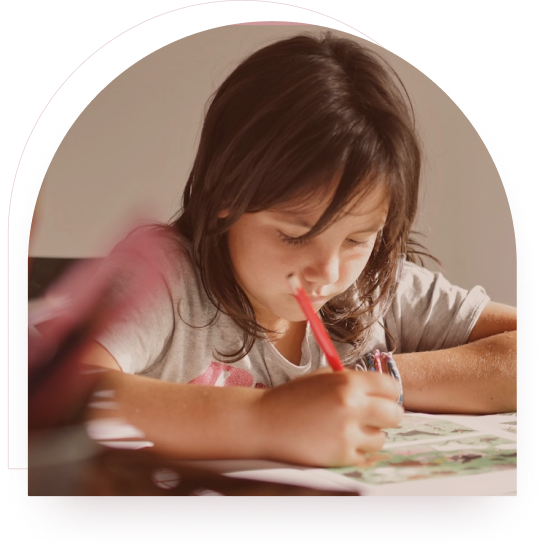
OCD Across Everyday Life
OCD can make everyday routines take much longer than expected. Repeated checking, washing, counting or reassurance-seeking may affect morning routines, bedtime, schoolwork and participation in family life.
Intrusive thoughts may also make it difficult for a child to concentrate, sleep, socialise or take part in previously enjoyed activities. Family members may find themselves adjusting routines or participating in rituals to reduce the child's immediate distress. The impact will vary according to the child's symptoms and individual circumstances.

Our Approach
Hiba by Anthalora provides evidence-based psychological support to help children understand the relationship between intrusive thoughts, anxiety and compulsive behaviours.
Support may also involve guidance for families and schools to help reduce rituals, repeated reassurance and avoidance in a planned and clinically appropriate way. Psychiatric input may be included where required.
Book a Consultation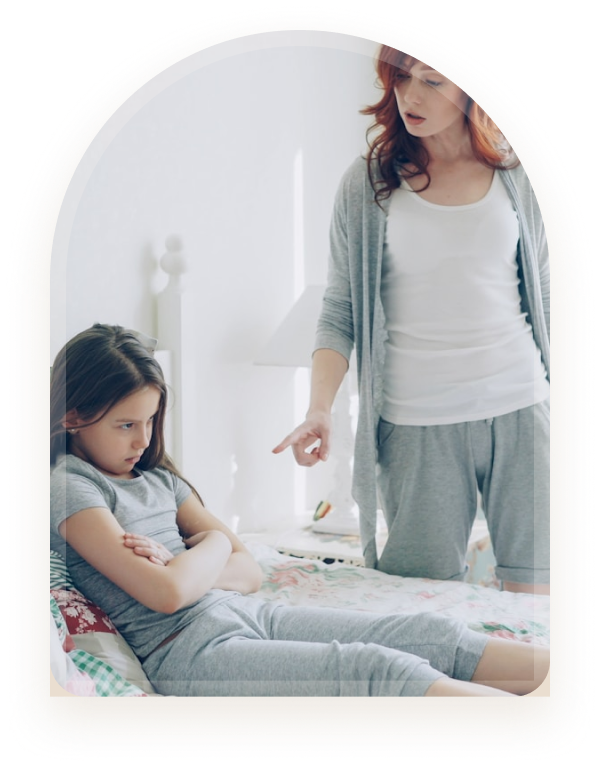
How We Support
Following assessment, support may include psychoeducation and evidence-based psychological therapy to help the child understand the relationship between their thoughts, anxiety and compulsive responses.
The child and family may also receive guidance on gradually reducing rituals, repeated reassurance and avoidance in a planned and clinically appropriate way. Schools may be involved where support or suitable adjustments are needed.
Psychiatric input may be recommended where appropriate. Medication may be considered and monitored by a psychiatrist when clinically indicated, but it will not be required for every child.
The Clinical Pathway
Every family receives a clear and structured journey, from the first referral through to personalised intervention and ongoing progress reviews.
A family, GP or school gets in touch. We listen carefully and gently open the door to support.

Let's Connect
If intrusive thoughts or repetitive behaviours are causing your child distress or affecting everyday life, our team can help you understand the available assessment and support pathways.


